Intelligent TCM Medical Devices
TCM Ocular Diagnostic System
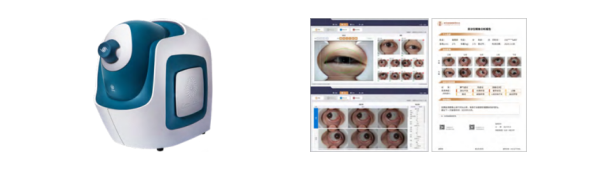
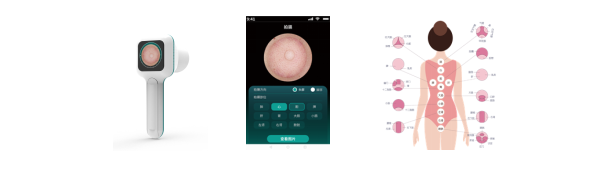
The TCM Ocular Diagnostic System digitizes and intelligentizes traditional TCM ocular examination, providing a non-invasive, biopsy-free rapid screening tool for disease prevention and health management. The device has obtained a Class II Medical Device Registration Certificate in China (Registration No. Chuan Xie Zhu Zhun 20182160164). The system uses shadow-free optical imaging to acquire high-resolution ocular-surface images and extract relevant image features. Its algorithms are optimized on the basis of traditional TCM theory, expert knowledge, and ocular-image data from more than 200,000 individuals. By integrating information on body constitution, diseases, and TCM syndromes, the system analyzes associations between ocular-image features, major TCM syndrome elements, and susceptibility to specific diseases, enabling continuous refinement of the analytical platform. Artificial intelligence is then applied to integrated data analysis to automatically generate health assessment reports that combine TCM syndrome differentiation with Western medical disease identification, together with personalized health-management plans. The system is supported by 10 granted invention patents and 7 software copyrights. The TCM Ocular Diagnostic System received the First Prize for Technological Invention of the Huang Jiasi Biomedical Engineering Award from the Chinese Society of Biomedical Engineering in 2025, the China Patent Excellence Award in 2021, the Beijing New Technology and New Product (Service) Certificate in 2017, and the China Red Star Design Award in 2016. It was also selected as one of the Top Ten Advances in Chinese Medical Biotechnology in 2017 and has been deployed in more than 100 hospitals and health examination institutions across China.
Multimodal TCM Inspection System
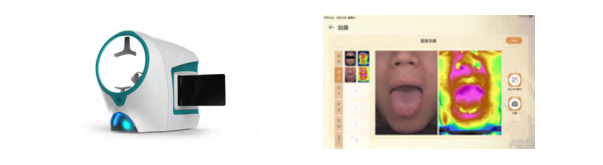
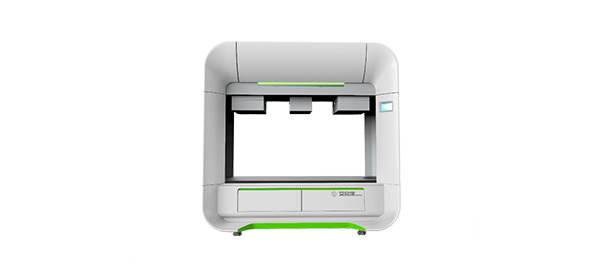
The Multimodal TCM Inspection System is an integrated intelligent TCM diagnostic system combining facial inspection, tongue inspection, auricular inspection, and hand inspection. It integrates image acquisition, feature extraction, and report analysis. AI-powered voice guidance and image analysis assist users in collecting tongue, facial, ear, and hand images information. Deep-learning algorithms identify target image features, while AI reasoning algorithms built on TCM theory and a knowledge graph are used to assess the user's health status and support services such as health-intervention recommendations, therapeutic efficacy assessment, and chronic-disease management. The device incorporates visible-light and infrared thermal-imaging camera modules and can intelligently switch between the two imaging modes. It also supports automatic positioning, automatic light-source switching, and touchscreen operation. The system can be applied in TCM preventive-health programs, community TCM initiatives, TCM health examinations, and TCM health services, supporting a more objective, standardized, and digital approach to TCM diagnosis and health management.
Urine Characteristics Analyzer
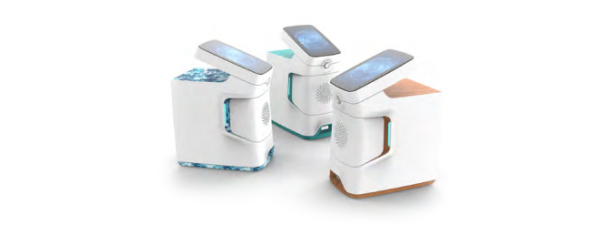
Tibetan medical urine diagnosis is documented in the “Four Medical Tantras”and has a history of more than 1,300 years. It represents a distinctive Tibetan medical understanding of the digestion and transformation of food within the body, developed through long-term practice in the high-altitude environment. In clinical practice, it is primarily based on the traditional “three stages and nine observations” framework: during the hot-urine stage, color, foam, vapor, and odor are observed; during the warm-urine stage, “Geya” (sediment) and the floating film are examined; and during the cooled-urine stage, the time to change, the color after change, and the pattern of change are assessed. Drawing on Tibetan medical urine-diagnosis theory, the Urine Characteristics Analyzer evaluates associations between observable urine features and health status while integrating routine dry-chemistry urinalysis, allowing the two sets of results to be cross-referenced and analyzed together. Image-recognition and multidimensional sensing technologies are used to acquire and analyze urine color, foam, sediment, floating matter, temperature, odor, and related features. In the cloud, information-recognition technologies are integrated with artificial intelligence algorithms, and a knowledge graph combining TCM and Western medicine is used for integrated assessment of the user's health status.
Cupping Mark Imaging System
Cupping diagnosis is rooted in the traditional TCM concept that internal conditions may manifest externally and can therefore be assessed through external signs. The Cupping Mark Imaging System is designed for standardized acquisition and analysis of cupping marks. It combines traditional cupping-based assessment with modern machine-vision technology, using image recognition and artificial intelligence algorithms to analyze cupping-mark features, support health-status and potential-risk assessment, and assist in evaluating the location, nature, and possible internal-organ associations of relevant findings. According to TCM theory, changes associated with external pathogenic factors or internal-organ conditions may be reflected in corresponding surface areas through the meridians and the circulation of qi and blood. The location of cupping and changes in the skin within the cupped area therefore provide important information for cupping-based assessment. The system focuses on 11 response areas along the Governor Vessel and Bladder Meridian on the back. After a standardized cupping period, clear images of the cupping marks are acquired and analyzed using multidimensional features such as color, morphology, and texture together with AI-based feature-analysis algorithms. This enables a digital, standardized, and visualized approach to TCM cupping assessment and provides technical support for supplementary screening and evaluation of potential health risks
Multimodal TCM Diagnostic Integration System
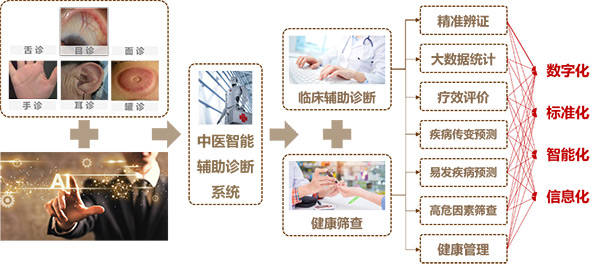
TCM emphasizes the integrated interpretation of external manifestations and inquiry information to assess the body's internal state. Features of the tongue body and coating, facial color and regional characteristics, ocular color, morphology and vascular patterns, as well as inquiry information such as sensations of heat, cold, and pain, can all contribute to TCM syndrome analysis. Standardizing and harmonizing multimodal information from the tongue, face, eyes, hands, ears, cupping marks, and inquiry provides a more systematic data foundation for integrated analysis of health status, disease risk, and body constitution. On this basis, the Multimodal TCM Diagnostic Integration System brings together multimodal data from tongue, ocular, facial, hand, ear, and cupping assessments and applies big-data analytics and artificial intelligence for integrated analysis. It can be used in clinical decision support and health screening, supporting syndrome-differentiation assistance, statistical analysis, therapeutic efficacy assessment, susceptibility-risk analysis, high-risk factor screening, and health management, while advancing the digitalization, standardization, and intelligent use of TCM diagnostic information.
Fully Automated Moxibustion System Platform
Moxibustion involves multiple factors, including thermal stimulation, infrared radiation, and volatile components generated by burning moxa. The Fully Automated Moxibustion System Platform is designed around the principal characteristics of traditional moxibustion while incorporating electromechanical integration, intelligent control, and smoke-filtration technologies. It combines open-flame burning of natural moxa, automatic ignition, body-site adaptation, automatic temperature control, multi-site parallel operation, and smoke filtration, retaining the traditional treatment format while improving process standardization, automation, and environmental compatibility. An embedded control program automatically completes the ignition process, allowing one-touch startup and reducing the need for repeated manual ignition. Sensors continuously monitor skin-surface temperature in the treatment area and dynamically adjust the distance between the moxa source and the body to maintain the temperature within a preset range, helping reduce local overheating risk and improve the consistency of thermal stimulation. Modular moxibustion units and independently controlled treatment channels accommodate different body areas and support simultaneous treatment at multiple acupoint regions. The device also incorporates a multistage smoke-filtration system to reduce dust, tar, and particulate matter generated during combustion and improve the indoor operating environment. Through engineering features such as automatic ignition, temperature monitoring, source-distance adjustment, multi-site adaptation, parallel treatment control, and smoke filtration, the platform provides a more standardized and intelligent implementation of traditional moxibustion.